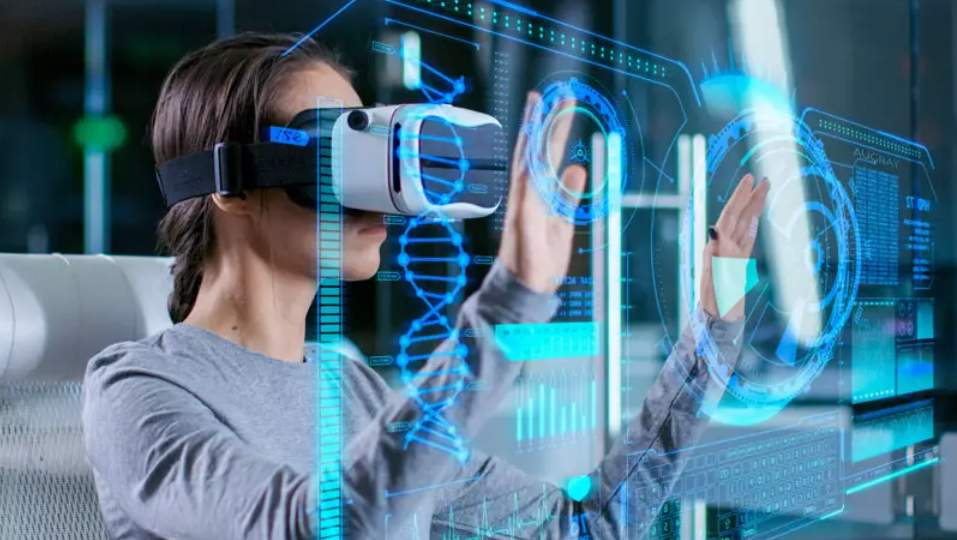
Mixed Reality (MR) represents a significant advancement in technology, blending physical and digital environments to create interactive experiences. This integration allows users to engage with both real and virtual elements simultaneously, fostering innovation across numerous sectors. From enhancing healthcare training to transforming architectural design, MR’s applications are vast and varied. As the technology continues to evolve, it raises questions about its future implications and potential to reshape human interaction. What lies ahead in this fascinating intersection of reality?
Understanding Mixed Reality: Definitions and Concepts
Mixed reality (MR) represents a fascinating intersection of the physical and digital worlds, where real and virtual elements coexist and interact in real-time.
An overview of MR reveals a conceptual framework that emphasizes immersion and user agency.
Definitions of MR often highlight its potential to enhance experiences, offering a unique platform for creativity and freedom, thus reshaping how individuals perceive and engage with their environment.
The Technology Behind Mixed Reality
Various technologies converge to create the immersive experience that defines mixed reality.
Hardware advancements, such as sophisticated sensors and lightweight displays, enhance interaction and realism. Coupled with seamless software integration, these elements enable real-time processing and dynamic content overlay.
This synergy not only enriches user engagement but also fosters a sense of freedom, allowing individuals to explore and interact with digital elements in their physical environment.
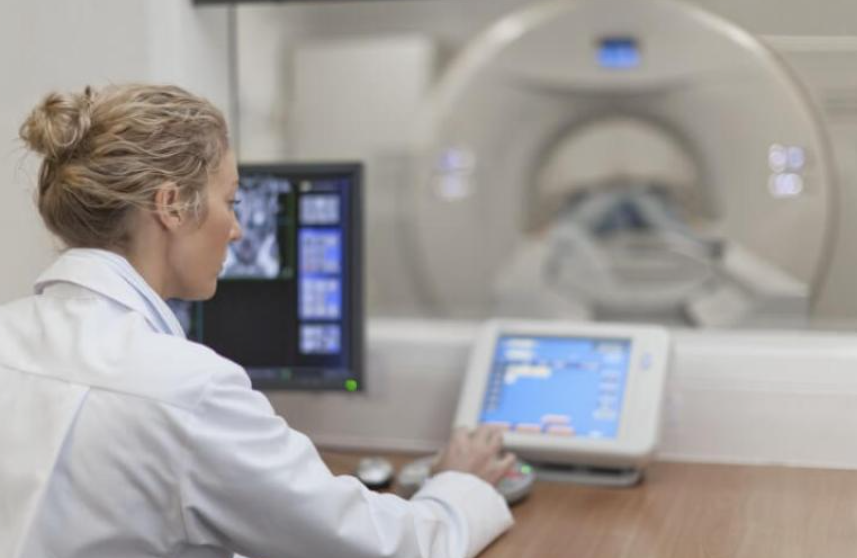
See also: Medical Imaging Technology Explained
Applications of Mixed Reality Across Various Industries
As industries increasingly recognize the potential of mixed reality, innovative applications are emerging that transform how professionals engage with their work.
In healthcare training, mixed reality enhances skills through realistic simulations.
Architectural design benefits from visualizing projects in immersive environments.
Additionally, remote collaboration allows teams to interact in shared virtual spaces, while immersive gaming captivates users, fostering creativity and engagement across varied sectors.
The Future of Mixed Reality: Trends and Innovations
The rapid evolution of mixed reality technologies promises to reshape numerous aspects of everyday life and professional practices.
Emerging trends focus on creating immersive environments that enhance user experience, blending digital content seamlessly with the physical world.
Innovations in hardware and software aim to increase accessibility, enabling diverse applications from education to entertainment, ultimately fostering a more connected and liberated society through enhanced interaction and creativity.
Conclusion
In summary, mixed reality represents a remarkable revolution, blending the boundaries of the physical and digital domains. As technology continues to evolve, the potential for profound possibilities expands, enhancing experiences across diverse disciplines. The future of mixed reality promises to propel creativity, foster collaboration, and transform traditional practices into immersive interactions. With its unique ability to merge real and virtual realms, mixed reality is set to shape the landscape of innovation, inviting individuals to explore endless experiences.